
Skip to content. | Skip to navigation

  • About Us
  • Press Room
  • Take Action
  • Publications
  • Events
  • Contact
Advanced Search…
Sections
  • Campaigns
  • Chemicals of Concern
  • Healthy Living
  • Research
  • Get Involved
  • ToxicsWAtch Blog
Personal tools
You are here: Home → ToxicsWAtch Blog → Tips To Avoid Toxic Tris
redgetinvbox_03.png redgetinvside_04.png
redgetinvbox_06.png redgetinvside_07.png
redgetinvbox_07.png redgetinvside_09.png
  
redgetinvside_11.png
redgetinvbox_09.png redgetinvside_13.png
redgetinvbox_10.pngredgetinvbox_11.pngredgetinvbox_12.png redgetinvside_17.png
Recent Blogs
We’re Ready For Round 2
Walmart: Put Your Money Where Your Chemicals Are
Let's Jump Off The Toxic Treadmill
The Toxic-Free Kids and Families Act Is On Its Way!
The Chemical Industry's Opposition A Lot Like Groundhog Day
Blogs We Like

Blubberblog

Cold Truth

Dateline Earth

Earth Ministry

EcoConsumer Blog

Faith and Environment Network

MomsRising

Publicola

Safer States

Sightline Daily

Watching Our Waterways

link
 
Info

Tips To Avoid Toxic Tris

— filed under: Parents and Kids, Toxic Tris, 2012 Legislative Session, Toxic-Free Kids Act, Activists, Toxic Flame Retardants, Environmental health, Toxic-Free Tips

As you’ve probably seen in many of our recent posts, toxic Tris flame retardants are bad news. Exposure to Tris has been linked to cancer, hormone disruption, and nervous system harm. By being mindful with certain purchases, you can try to limit your family’s exposure to these dangerous chemicals and reduce your toxic body burden.

Tips To Avoid Toxic Tris

As you’ve probably seen in many of our recent posts, toxic Tris flame retardants are bad news. Exposure to Tris has been linked to cancer, hormone disruption, and nervous system harm. By being mindful with certain purchases, you can try to limit your family’s exposure to these dangerous chemicals and reduce your toxic body burden.

Toxic flame retardants can be carried into the home on/in a number of baby products, fabrics, furniture and carpet materials. Upon entering the home, tris chemicals are slowly dispelled into the air and accumulate in household dust, which is then inhaled or ingested, especially by sticky-fingered children and babies. 

So – what can you do to reduce your family’s exposure to toxic flame retardants? 

  • When shopping for furniture, look for companies who avoid chemical flame retardants and instead use naturally fire-resistant materials
  • Avoid all products containing polyurethane foam with a label reading TB117, which means it has likely been treated with toxic flame retardants
  • Choose a safer mattress, ideally made without polyurethane foam. Wool is the best option; cotton and latex are runners up. 
  • Buy nursing pillows, car seats, and baby carriers made without Tris – better brands for baby items include Baby Bjorn, Orbit Baby, and Boppy
  • Regularly use a wet mop to clean and remove dust particles and to keep them from being inhaled or ingested 
  • Use a vacuum with a HEPA filter to clean your home
  • Wash hands, especially those of little children, often, to keep dust from attaching to food or fingers and being consumed
  • Support the Toxic-Free Kids Act, which will protect kids by banning two Tris flame retardants, TCEP and TDCPP, from children’s products 

By being mindful with certain purchases, you can try to limit your family’s exposure to these dangerous chemicals and improve your toxic body burden. However, even the most conscientious consumer can’t avoid every toxic chemical—which is why we need the Toxic-Free Kids Act! It will help get us off this toxic treadmill by requiring companies to find safer alternatives for the most worrisome chemicals currently in use in kids’ products. Click here to send a letter to your legislator!

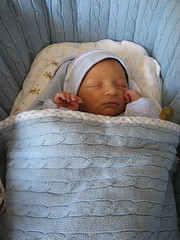
Image courtesy of flickr user ryancboren

Document Actions
  • Email this page
  • Print this
  • Share on Facebook
  • Share on Twitter

Photo

Posted by Elizabeth at Jan 11, 2012 01:31 PM
It appears that you are "freaking out" (in your words) over toxic chemicals but not over the much more immediate risk of sudden unexpected infant death from an unsafe sleep environment. Your photo shows a very young baby sleeping in a bed that is completely filled with soft, fluffy things that are associated with suffocation deaths! Please, please do not undermine your good work by trading one (real, but longer-term) hazard for another that is even MORE risky for the baby.

Washington Toxics Coalition
4649 Sunnyside Avenue N, Suite 540, Seattle, WA 98103
(206) 632-1545 : webmaster@watoxics.org
powered by Plone | site by Groundwire Consulting and served with clean energy